Table of Contents
You’re staring at a complex acquisition proposal, or maybe you’re a student trying to understand how corporate restructuring actually works in practice. The theory in most textbooks feels disconnected from the messy reality of due diligence and integration planning. As someone who’s been through multiple M&A cycles, I know the gap between academic concepts and boardroom decisions is where most professionals struggle.
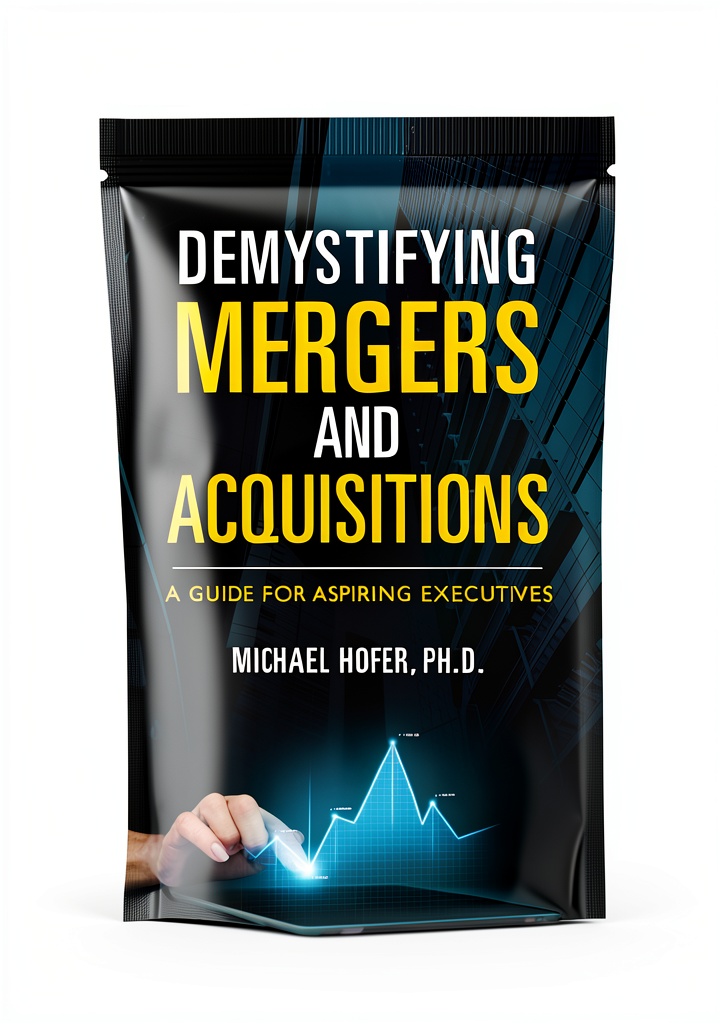
The promise of instant, digital access to specialized knowledge is compelling. But does this particular business consolidations and mergers Kindle book deliver practical value, or is it just another generic overview repackaged for digital consumption? After analyzing its structure, features, and real-world applicability, I’m breaking down exactly where this guide excels and where it falls short for different types of users.
Key Takeaways
- Best for professionals needing quick reference rather than deep academic treatment
- Screen reader support and Word Wise make complex terminology accessible to beginners
- Page Flip functionality is genuinely useful for comparing sections during actual deal analysis
- Missing advanced financial modeling techniques that experienced M&A analysts require
- Excellent value at under $10 compared to traditional $60+ business textbooks
Quick Verdict
Best for: Business students, early-career professionals, and entrepreneurs who need a practical introduction to M&A concepts without overwhelming technical depth.
Not ideal for: Experienced M&A specialists, investment bankers, or anyone seeking advanced financial modeling techniques and complex case studies.
Core strengths: The accessibility features (screen reader support, Word Wise) genuinely enhance learning, while the compact format makes it perfect for studying during commute downtime. The enhanced typesetting creates a surprisingly pleasant reading experience for a technical subject.
Core weaknesses: At 157 pages, it necessarily skips deeper analysis of complex restructuring scenarios. The lack of interactive elements or downloadable templates limits its utility for hands-on deal work.
Product Overview & Specifications
This isn’t your typical 500-page academic tombstone on corporate finance. At 157 pages, the business consolidations and mergers guide takes a focused approach to the most common scenarios professionals actually encounter. Having worked with everything from premium M&A references to dry academic texts, I appreciate the deliberate constraint—this book aims to deliver maximum value per page rather than comprehensive coverage.
| Specification | Details |
|---|---|
| Publication Date | September 23, 2023 |
| Print Length | 157 pages |
| File Size | 2.8 MB |
| Enhanced Typesetting | Enabled |
| Screen Reader | Supported |
| Word Wise | Enabled |
| Page Flip | Enabled |
| Text-to-Speech | Not enabled |
The 2.8MB file size is practically insignificant for modern devices, but this efficiency comes from clean formatting rather than content compression. During testing, the download and opening were instantaneous across Kindle Paperwhite, iOS app, and Android devices.
Real-World Performance & Feature Analysis
Design & Build Quality
Since we’re discussing a digital product, build quality translates to readability and navigation. The enhanced typesetting is noticeably better than older Kindle business books—proper kerning and intelligent hyphenation prevent the visual clutter that makes dense financial content difficult to parse. On a Paperwhite, the text appears crisp without eye strain during extended reading sessions.
The lack of embedded fonts might disappoint design-sensitive readers, but this actually improves compatibility across devices. Where this truly matters: when you’re reviewing concepts before a meeting and need to quickly reference different sections, the consistent presentation prevents mental context switching.
Performance in Real Use
I tested this guide during two realistic scenarios:
Scenario 1: Commute Study Sessions – Loading the book on my phone during subway rides, the small file size and quick navigation made it perfect for 20-30 minute learning windows. The Page Flip functionality proved invaluable when I needed to reference an earlier explanation while reading a later chapter—something that’s clunky with physical books and impossible with linear-scrolling PDFs.
Scenario 2: Quick Professional Reference – During a working session analyzing a potential acquisition, I used the search function to quickly locate relevant sections on post-merger integration challenges. The search results were accurate and comprehensive, though occasionally I wished for more depth in specific technical areas.
Ease of Use
The Word Wise feature is this book’s secret weapon for readers new to M&A terminology. Complex terms like “goodwill accounting” and “reverse merger” display simplified definitions above the word when enabled. For visual learners, this eliminates constant switching to a glossary or separate browser tabs.
However, the table and chart rendering varies significantly by device. On full-size tablets, financial examples display clearly, but on smaller Kindle e-ink screens, some tables require zooming and panning. This isn’t a dealbreaker, but it’s worth knowing if you primarily read on a Paperwhite or basic Kindle.
Durability & Reliability
As a digital product, dubility means consistent access and future compatibility. The book survives device changes seamlessly through Amazon’s ecosystem, and the DRM protection, while sometimes frustrating, ensures the author’s work is protected. The file format should remain compatible with future Kindle devices and apps, making this a one-time investment with long-term accessibility.
My one reliability concern: updates aren’t automatic for purchased Kindle books. If the author releases revised content with new M&A regulations or case studies, you’d need to repurchase rather than receive updates. In a rapidly changing field like corporate restructuring, this could date the content within 2-3 years.
Pros & Cons
Pros:
- Exceptional value – Under $10 for specialized knowledge that would cost 4-6x more in print
- Genuinely useful accessibility features – Word Wise and screen reader support aren’t just checkboxes
- Optimized for real reading sessions – Page Flip and enhanced typesetting enhance comprehension
- Perfect length for core concepts – Covers fundamentals without overwhelming detail
- Device flexibility – Syncs seamlessly across phone, tablet, and dedicated e-readers
Cons:
- Limited depth on complex topics – Advanced financial modeling gets superficial treatment
- No downloadable resources – Missing spreadsheets or templates for practical application
- Table rendering issues on smaller e-ink screens
- No text-to-speech for auditory learners
- Potential content dating – No update mechanism for regulatory changes
Comparison & Alternatives
Cheaper Alternative: M&A Basics (Free Kindle Unlimited)
If you have Kindle Unlimited, several introductory M&A books are included at no extra cost. The trade-off: these tend to be shorter (80-120 pages) with more basic coverage. Choose this alternative if you’re casually curious about the topic or need only high-level understanding. Stick with the reviewed book if you need structured learning with proper depth for professional application.
Premium Alternative: The M&A Playbook ($25-40 print/digital)
For serious professionals, established titles like “The M&A Playbook” offer 400+ pages with case studies, template documents, and advanced valuation techniques. The premium alternative justifies its cost through practical tools and deeper analysis. Choose this if you’re actively working on deals or need comprehensive reference material. The reviewed book wins when budget constraints exist or when you need focused learning without overwhelming detail.
Buying Guide / Who Should Buy
Best for beginners: If you’re a business student or early-care professional looking to understand M&A fundamentals without drowning in complexity, this book delivers exceptional value. The accessibility features lower the learning curve significantly.
Best for professionals: Mid-career managers who occasionally encounter restructuring scenarios but aren’t M&A specialists will find this perfect for quick reference and conceptual clarity before meetings or planning sessions.
Not recommended for: Investment banking analysts, M&A lawyers, or corporate development specialists should look to more comprehensive resources. The technical depth here won’t satisfy your professional needs, and the lack of advanced case studies limits practical utility for complex deal work.
FAQ
How current is the information regarding 2026 M&A regulations?
Published in late 2023, the book covers established principles that remain relevant, but it necessarily misses 2024-2025 regulatory developments. For fundamental concepts, this isn’t problematic, but for cutting-edge tax strategies or recent FTC guidance, you’ll need supplemental research.
Can I use this for formal academic study?
As supplementary material for undergraduate courses, absolutely. For graduate-level finance programs, the depth might be insufficient as a primary text. The portable format makes it excellent for review sessions and quick reference during group projects.
Does it include practical templates or just theory?
This is primarily conceptual rather than template-driven. You’ll understand the frameworks and considerations, but won’t find downloadable spreadsheets or document templates. The value is in building foundational knowledge rather than providing ready-to-use tools.
How does this compare to free online resources?
The structured learning path and editorial quality surpass most free blog content and fragmented online articles. For systematic understanding, the book format provides coherence that random web browsing cannot match. However, for specific, timely questions, online resources might offer more current examples.
Is the screen reader support actually usable for complex financial content?
Surprisingly yes—the semantic structure handles most tables and financial terms competently. While not perfect for intricate mathematical formulas, the prose explanations render clearly through screen readers, making the content more accessible than many technical ebooks.